Football has always brought people together, whether in crowded stadiums, local pubs or living rooms filled with supporters. Today, digital technology has added another dimension to this experience, making it easier to follow competitions across different countries and time zones. For many fans, the opportunity to watch football online has become part of a broader habit of staying connected with the sport, following favourite teams and keeping up with important fixtures throughout the season.
The modern football audience is remarkably diverse. Some supporters organise their weekends around domestic league matches, while others follow international tournaments, continental competitions and national teams. There are viewers who rarely miss a major final and those who prefer discovering smaller clubs and emerging players. Despite these differences, they share an interest in the unpredictable moments that make football compelling.
Football Without Geographical Boundaries
One of the most significant changes in modern football culture is the way geographical distance influences the viewing experience. In previous generations, supporters often depended on local television schedules and limited coverage of international competitions. Following a club from another country could be difficult, especially when its matches were not regularly included in regional broadcasts.
Digital distribution has changed these habits. Supporters can now follow competitions beyond their domestic football environment and maintain an interest in clubs from different leagues. A fan might watch an English league fixture in the afternoon, follow a Spanish rivalry later in the day and finish the evening with an international match.
This wider access has also encouraged curiosity about unfamiliar football cultures. Viewers become interested in the traditions of different stadiums, the playing styles of individual teams and the histories behind major rivalries. Football becomes less confined to national borders and more like a continuous international conversation.
Why Live Football Still Feels Different
Recorded highlights and match summaries are useful, but they cannot fully reproduce the experience of following a game as it unfolds. Live football contains uncertainty that makes every minute meaningful. A team may dominate possession without scoring, an unexpected substitution can change the balance, and a single defensive mistake can transform the result.
The emotional connection comes partly from not knowing what will happen next. Supporters react to opportunities, celebrate successful tackles and experience the tension of a close finish together. Even a match without many goals can become memorable when both teams compete intensely and the outcome remains uncertain.
Live viewing also allows fans to participate in the wider matchday conversation. Friends exchange predictions, supporters discuss tactical decisions and online communities respond to important incidents almost immediately. The match becomes a shared event rather than simply a sporting programme.
Following Several Competitions Throughout the Season
Modern football calendars offer a constant flow of matches. Domestic leagues, national cup competitions, continental tournaments and international fixtures create an almost continuous sporting schedule.
For dedicated supporters, following several competitions can provide a much broader understanding of the game. A player performing well in a domestic league may later become important in an international tournament. A club’s European campaign can reveal strengths and weaknesses that are less visible during its regular domestic fixtures.
Different competitions also offer different kinds of entertainment. League football is built around consistency and long-term progress, where every round contributes to a larger season narrative. Knockout tournaments introduce immediate pressure, because one poor performance can end a team’s campaign. International football brings national identity into the experience, creating a different emotional connection between players and supporters.
Following these competitions together helps fans understand how individual performances fit into the wider football landscape.
The Importance of Choosing the Right Viewing Experience
Convenience has become an important part of modern sports consumption. Supporters have different routines, devices and preferences, so the ideal viewing arrangement is not necessarily the same for everyone.
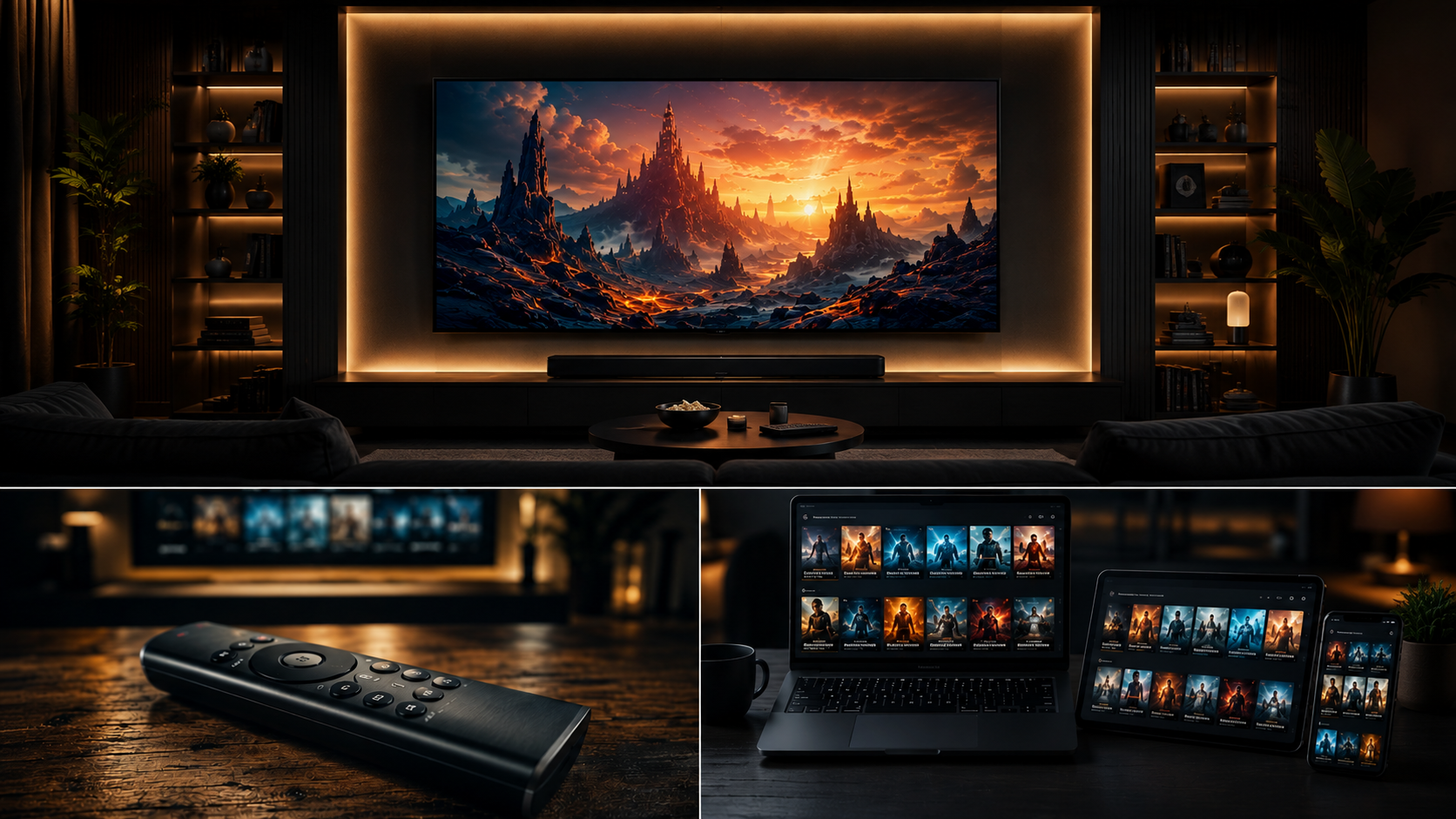
Some prefer a large television screen that recreates the atmosphere of a traditional matchday. Others follow fixtures on a laptop while working at home or use a smartphone when they are away from their usual viewing environment. Tablets offer another option, combining portability with a larger display than a typical mobile phone.
The quality of the experience depends on several practical factors. A stable internet connection helps maintain consistent playback, while a suitable screen and comfortable audio setup can make long matches easier to follow. Viewers may also consider whether a platform works smoothly on their preferred device and whether its interface makes it straightforward to find the competition they want.
These details may seem secondary compared with the football itself, but they influence how easily supporters can enjoy an entire match.
More Than Goals: The Details That Make Football Interesting
A match is often remembered through its goals, but the appeal of football extends well beyond the moments that appear in highlight packages. The tactical structure, individual movement and changing rhythm of a contest can be just as interesting.
A midfielder who repeatedly finds space between the opposition’s lines may influence the game without recording an assist. A defender who anticipates danger and intercepts passes can prevent attacks before they become visible threats. A forward may create opportunities through intelligent movement even when they do not score.
Watching complete matches helps supporters recognise these contributions. It also makes it easier to understand why a team performs well or struggles against a particular opponent. The final result becomes part of a much larger picture involving preparation, decision-making and collective execution.
For viewers who enjoy analysing football, this perspective adds another layer to the experience. The sport becomes a combination of entertainment and tactical discovery.
The Social Side of the Digital Matchday
Football has always encouraged conversation. Supporters discuss line-ups before kick-off, debate controversial decisions during the game and analyse performances afterwards. Digital communication has expanded these discussions, allowing fans from different countries to exchange opinions in real time.
Online communities can bring together people who support the same club despite living thousands of kilometres apart. They share memories, compare players and discuss important moments from competitions that might otherwise receive little attention in their local environment.
Social platforms have also changed the speed of football discussion. A remarkable goal can become an international talking point within minutes, while a controversial incident may generate competing interpretations long after the match has ended.
This creates opportunities for connection, although it also makes it important to distinguish between immediate reactions and more considered analysis. A short clip rarely provides every detail needed to understand a complex incident. Looking at the wider context helps keep football discussions informed and balanced.
Discovering New Teams and Football Stories
Following familiar clubs is a natural habit, but modern viewing opportunities also make it easier to explore unfamiliar competitions. A supporter who primarily watches one major league might become interested in another after seeing an exciting international performance or discovering a promising young player.
This curiosity can lead to a deeper appreciation of football’s diversity. Different leagues have their own rhythms, tactical preferences and supporter traditions. Some place greater emphasis on physical intensity, while others are known for technical combinations or carefully organised defensive systems.
Smaller clubs can also provide compelling stories. Their progress may depend on strong academy structures, effective coaching or the emergence of players who later attract attention from larger teams. Following these developments adds variety to the viewing experience and helps supporters look beyond the most widely discussed competitions.
Discovering new teams also makes football more unpredictable. Instead of watching only familiar favourites, viewers can encounter different styles and unexpected rivalries.
Technology and the Future of Football Viewing
The digital football experience will continue to develop as devices, networks and media platforms improve. Higher-resolution displays, more flexible viewing options and increasingly detailed match coverage are changing what audiences expect from sports content.
Interactive features may also become more prominent. Supporters are increasingly interested in statistics, tactical information and alternative camera perspectives that help explain what happens during a match. These features can provide additional context without replacing the excitement of watching the action itself.
At the same time, the basic appeal of football is unlikely to change. Technology can improve access and presentation, but it cannot manufacture the tension of a close contest or the emotion of a last-minute winner. Those moments come from the players, the teams and the unpredictable nature of competition.
The most successful viewing experiences will therefore be those that combine convenience with a strong connection to the sport.
A Game That Continues Beyond the Final Whistle
Football has become an important part of everyday digital life, but its emotional foundations remain familiar. Supporters still follow their teams through difficult seasons, celebrate unexpected victories and remember matches because of the people and moments associated with them.
Modern viewing habits simply create more opportunities to experience these stories. Fans can follow different competitions, explore unfamiliar clubs and remain connected to the game even when their schedules do not allow them to attend stadiums regularly.
The matchday experience is no longer limited to a particular place or television schedule. It can travel with supporters across devices and time zones, connecting different football cultures through a shared interest. Yet the central attraction remains unchanged: the possibility that the next match will produce something unexpected, unforgettable and worth discussing long after the final whistle.